
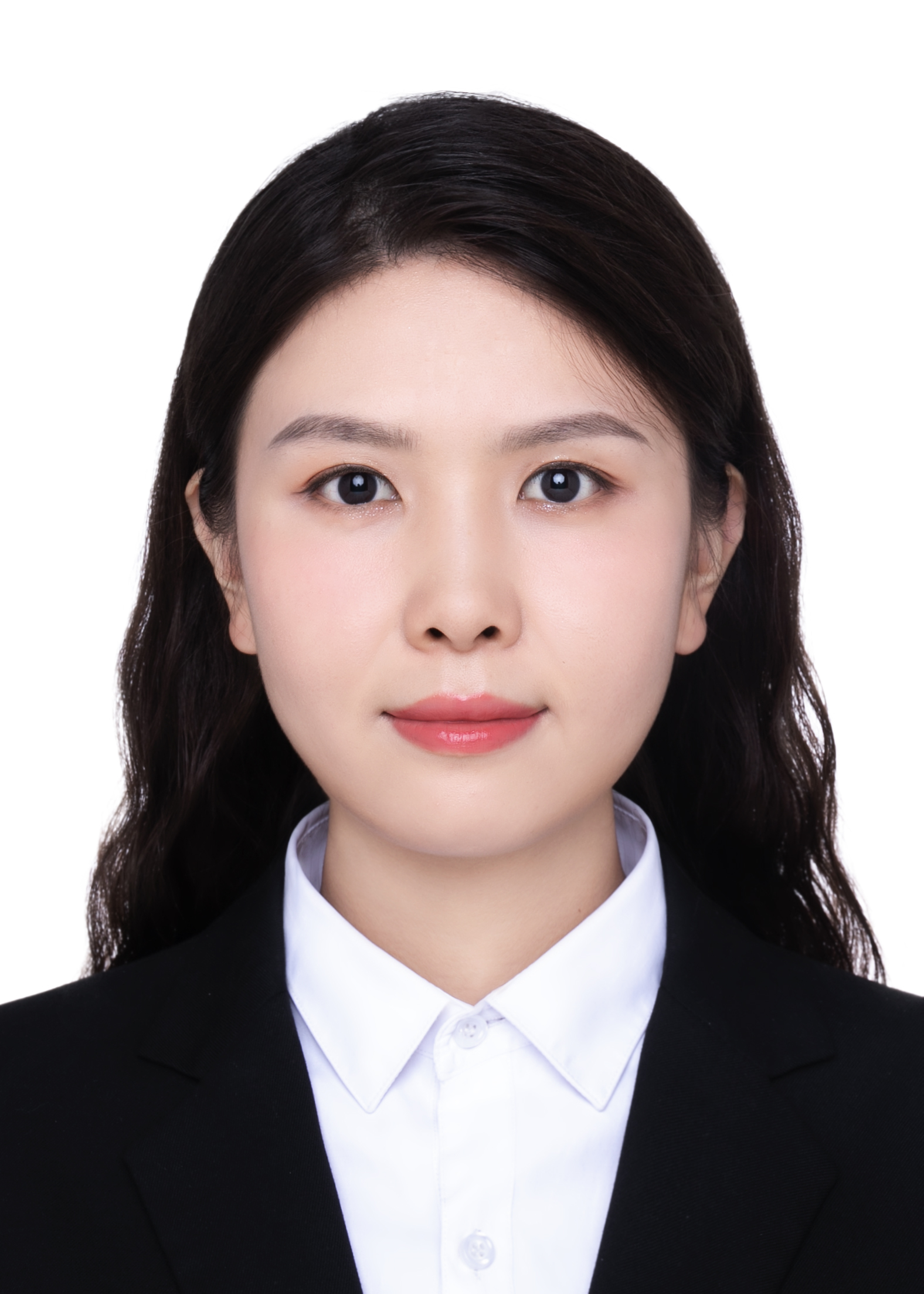
蔡笑
系 所: 职 称:副教授,硕士生导师 邮 箱:xiao_cai@ruc.edu.cn教育背景
文学博士(中国人民大学)
-
出国访学、进修经历
英属哥伦比亚大学文学院交换项目
研究专长
心理语言学;认知语言学
学术职称
副教授
本科:综合英语I,综合英语II,心理语言学导论,神经语言学导论
硕士:神经语言学,认知语言学
代表性论著
1. Yang, S., Jiang, M., & Cai, X (通讯). (2026). P200 as an indicator of semantic processing during visual recognition of Chinese words: Evidence from semantic and non-semantic tasks. Journal of Neurolinguistics. (SSCI)
2. Cai, X., Yin, Y. & Zhang, Q. (2025). Neural mechanisms of long-term sensorimotor adaptation in L1 and L2 speech motor control systems. Brain and Language. (SSCI)
3. Cai, X., & Zhang, Q. (2025). Neurocognitive basis of inter-subject variability in speech motor control: Interaction of bottom-up and top-down processes. Brain Research. (SCI)
4. 蔡笑. (2024). 言语运动控制的认知神经机制. 北京:中国人民大学出版社.
5. Cai, X., Ouyang, M., Yin, Y., & Zhang, Q. (2024). Sensorimotor adaptation to formant-shifted auditory feedback is predicted by language-specific factors in L1 and L2 speech. Language and Speech. (SSCI)
6. Cai, X., Yin, Y., & Zhang, Q. (2023). Behavioral and ERP evidence of differences in pitch feedback control in late bilinguals’ L1 and L2 speech production. Bilingualism: Language and Cognition. (SSCI)
7. Yin, Y., Cai, X. (共同一作), Ouyang, M., Li, S., Li, X., & Wang, P. (2023). FoMO and the brain: Loneliness and problematic social networking site use mediate the association between the topology of the resting-state EEG brain network and fear of missing out. Computers in Human Behavior. (SSCI)
8. Cai, X., Yin, Y., & Zhang, Q. (2021). Online control of voice intensity in late bilinguals’ L1 and L2 speech production: Evidence from unexpected and brief noise masking. Journal of Speech, Language, and Hearing Research. (SSCI)
9. Cai, X., Ouyang, M., Yin, Y., & Zhang, Q. (2021). Language proficiency modulates the effect of L2 semantically related distractors in L2 spoken word production. Brain Research. (SCI)
10. Cai, X., Yin, Y., & Zhang, Q. (2020). A cross-language study on feedforward and feedback control of voice intensity in Chinese-English bilinguals. Applied Psycholinguistics. (SSCI)
11. Cai, X., Yin, Y., & Zhang, Q. (2020). The roles of syllables and phonemes during phonological encoding in Chinese spoken word production: A topographic ERP study. Neuropsychologia. (SCI/SSCI)
12. Cai, X., Ouyang, M., Yin, Y., & Zhang, Q. (2020). The effect of time pressure and semantic relatedness in spoken word production: A topographic ERP study. Behavioural Brain Research. (SCI)
13. Yin, Y., Cai, X., Ouyang, M., & Zhang, Q. (2020). The N200 enhancement effect in reading Chinese is modulated by actual writing. Neuropsychologia. (SCI/SSCI)
14. Ouyang, M., Cai, X., & Zhang, Q. (2020). Aging effects on phonological and semantic priming in the tip-of-the-tongue: Evidence from a two-step approach. Frontiers in Psychology. (SSCI)
15. Ouyang, M., Cai, X., & Zhang, Q. (2019). The effect of lexical cohort size is independent of semantic context effects in a picture-word interference task: A combined ERP and sLORETA study. Frontiers in Human Neuroscience. (SCI)
16. 蔡笑,张清芳. (2020). 言语运动系统中前馈和反馈控制整合加工的作用机制. 心理科学进展, 28(4), 588-603. (CSSCI)
17. 蒋宇宸,蔡笑,张清芳. (2020). θ频段(4-8 Hz)的活动反映了汉语口语产生中音节信息的加工. 心理学报, 52(10), 1199-1211. (CSSCI)
18. 欧阳明昆,蔡笑,张清芳. (2019). 认知还是元认知:口语产生中舌尖效应的心理机制. 心理科学进展, 27(12), 2052-2063. (CSSCI)
科研项目
1. 2025年度中国人民大学科学研究基金项目特别支持学术成果:“《人工智能与汉语第二语言习得》”(在研)
2. 2024年度北京市社会科学基金项目一般项目:“北京地区老年人句法障碍的脑神经模式及康复研究”(在研)
3. 2023年度教育部人文社科研究项目青年项目:“汉语第二语言学习者声调加工的脑神经模型研究”(在研)
