
The National Academic Symposium on “Diversity, Mutual Learning and Shared Value- Multilingual Narratives of the History of Women’s Literature” has been successfully held at Renmin University of China
DATE: 2025-12-03
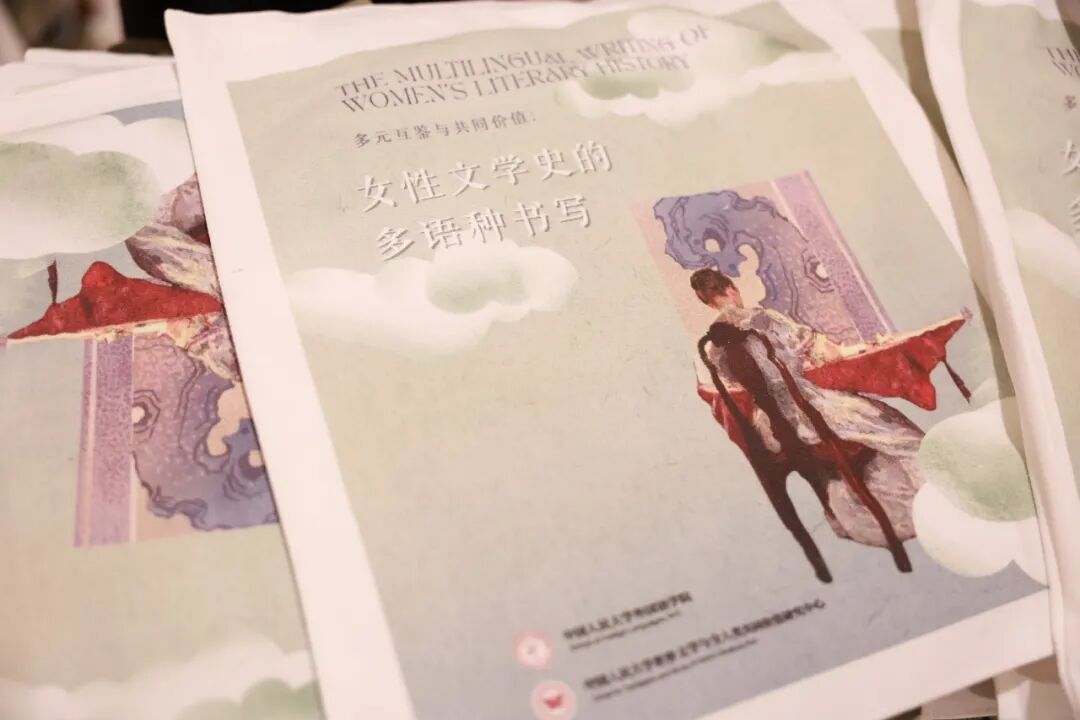
On October 17, 2025, The National Academic Symposium on “Diversity, Mutual Learning and Common Value: Multilingual Narratives of The History of Women’s Literature” was held at Zhongguancun Campus of Renmin University of China. It was jointly organized by the School of Foreign Languages of RUC, the Center for Translation and Study of World Literature of RUC and the Wang Zuoliang Institute for Advanced Studies in Foreign Literatures of Beijing Foreign Studies University, and Editorial Department of Foreign Literature. Scholars and experts from universities and research institutions across the country gathered together to conduct in-depth discussions surrounding the theme of “Multilingual Narratives of The History of Women’s Literature”.
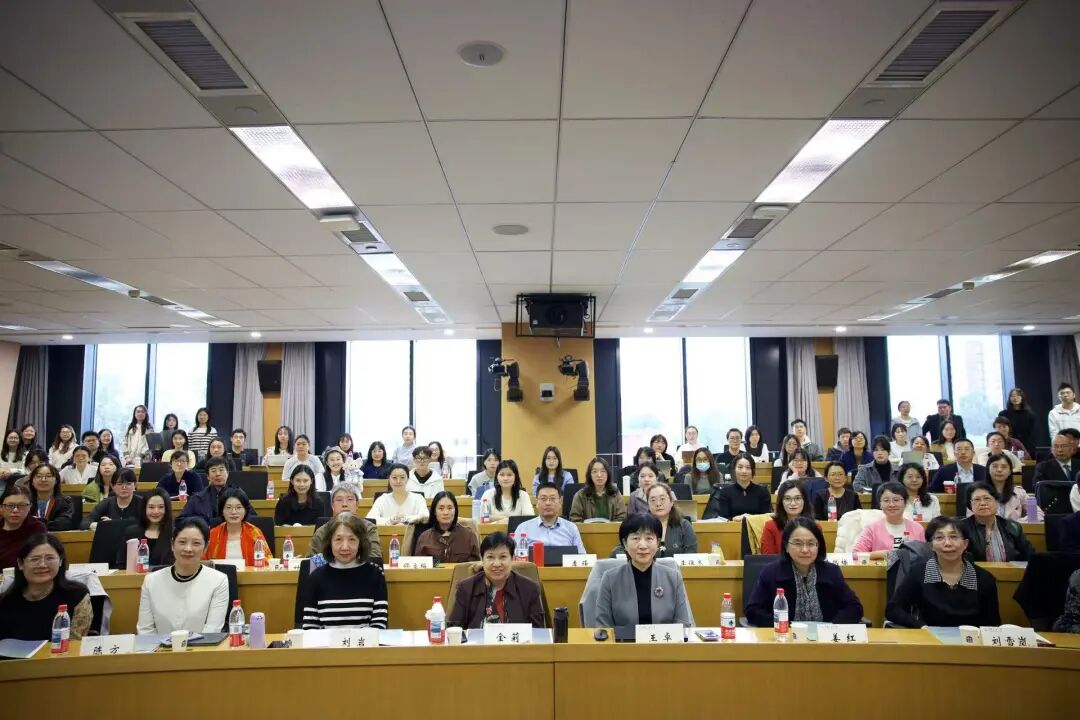
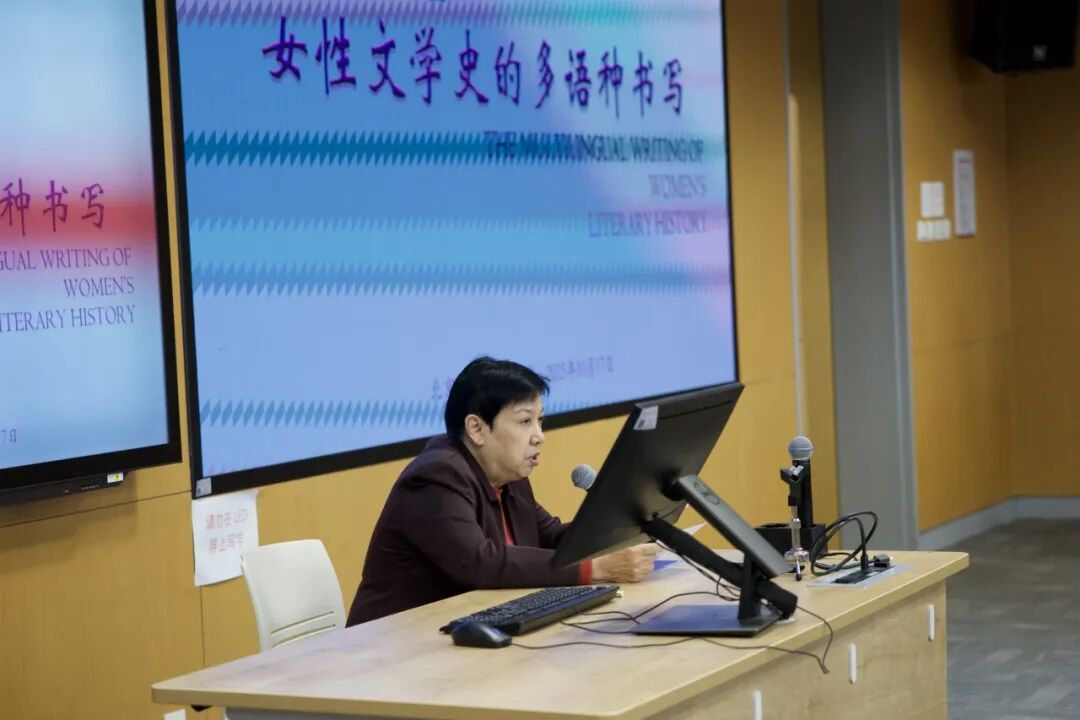
Jin Li, former vice president of Beijing Foreign Studies University, Dean of Wang Zuoliang Institute for Advanced Studies in Foreign Literature and honorary editor-in-chief of Foreign Literature, delivered a speech. She said that the research of the history of women’s literature is not only an important part of literary history, but also a significant academic dimension of global gender equality and intercultural coexistence. She reviewed the history since the Fourth United Nations World Conference on Women
in 1995 and echoed the guidelines
of General Secretary Xi Jinping on the Global Leaders’ Meeting on Women, emphasizing that “multilingual narratives of the history of women’s literature” is literary illustration of mutual learning among cultures and shared values for all mankind. She believed that, the practice of women’s literature in different languages broke through cultural barriers and promoted intercultural understanding and balanced development of global literature.
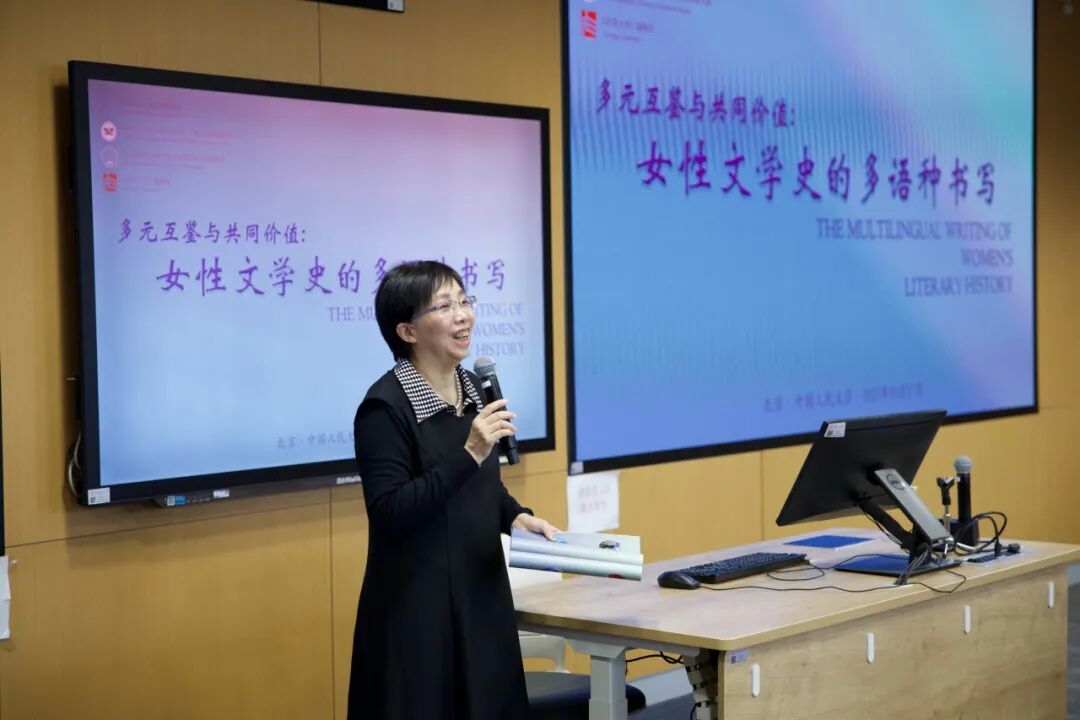
Chen Fang, Dean of the School of Foreign Languages of RUC, delivered the speech as the host. She introduced key research directions and achievements of the School of Foreign Languages and the Center for Translation and Study of World Literature in the past year, especially this year’s “World Literature in Translation Series” project focusing on gender. She noted that, this conference aimed to explore the commonalities and differences across various linguistic literary traditions under the core theme of women’s literature. It encouraged Chinese scholars to participate in the rewriting of the global history of women’s literature adhering with a local stance in order to establish a cross-disciplinary and cross-linguistic research community. She emphasized that, “to seek difference in common ground while to build consensus out of divergence” is the proper path toward globalization in contemporary women’s literature studies.
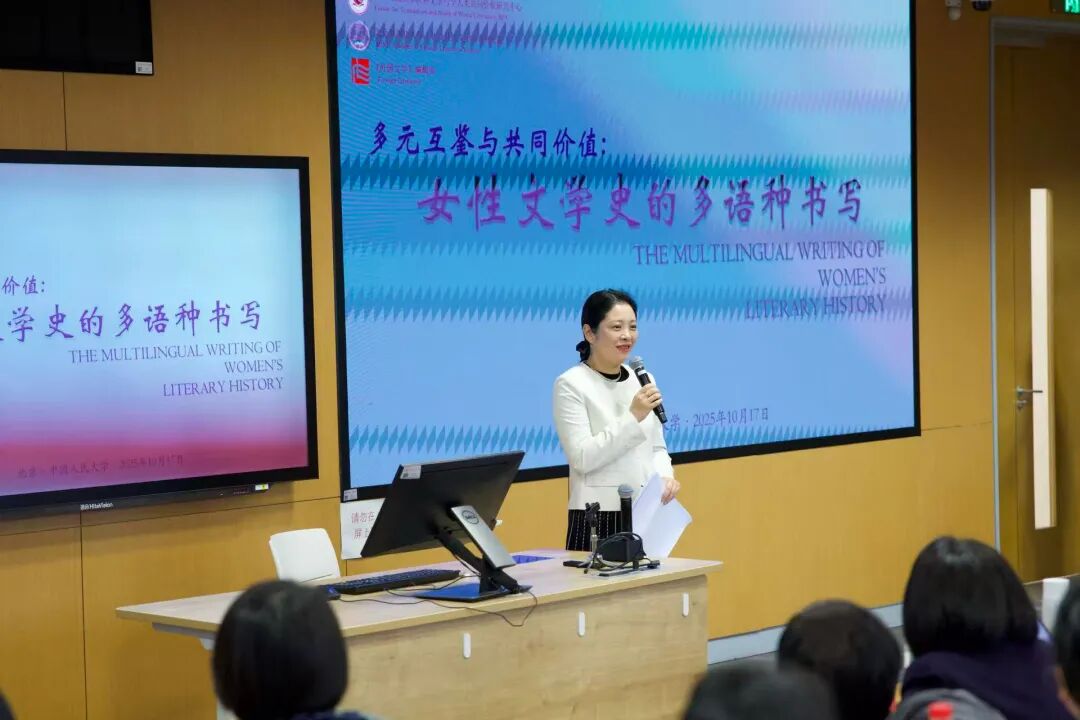
Zhou Ming, Vice Dean of the School of Foreign Languages of RUC, presided the opening ceremony.
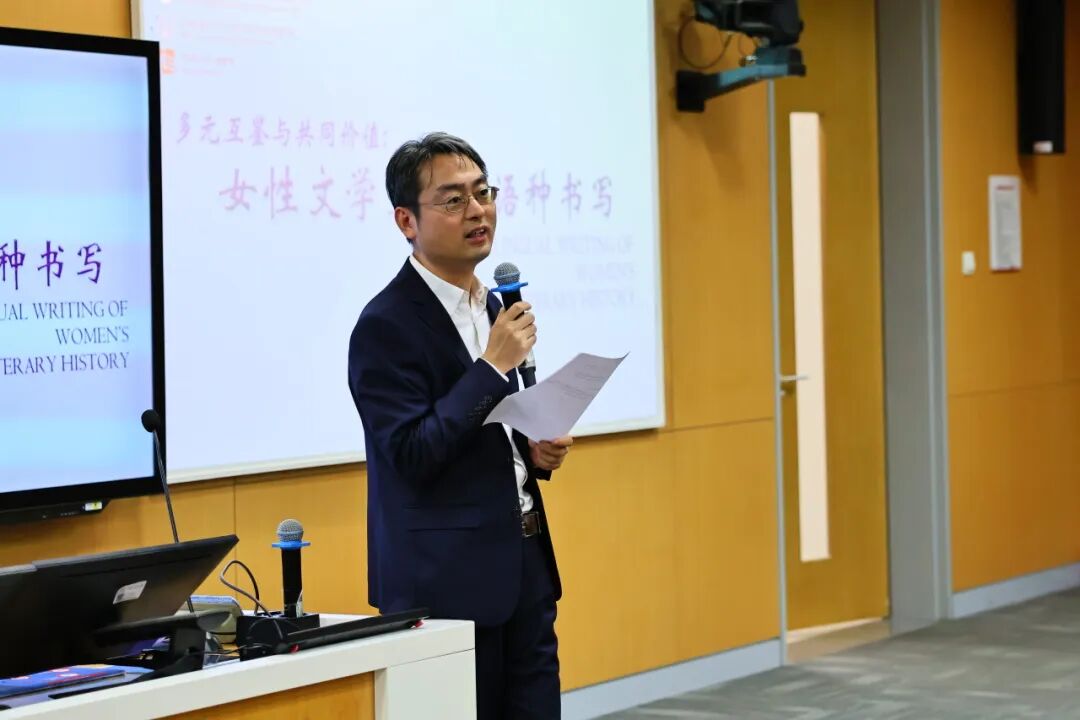
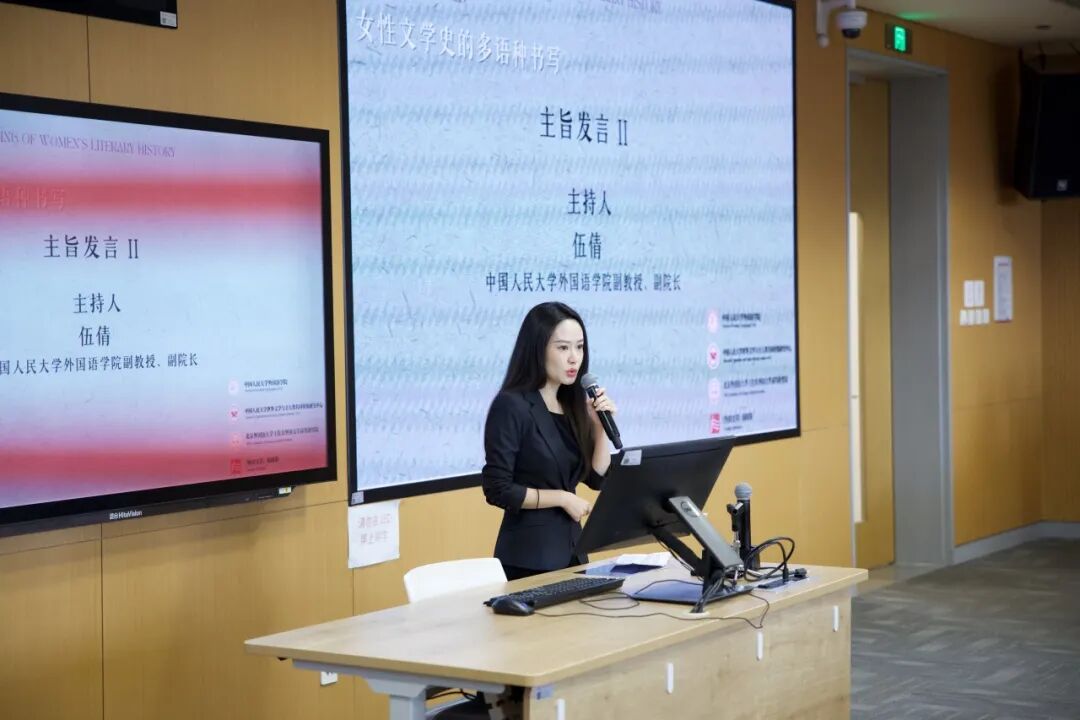
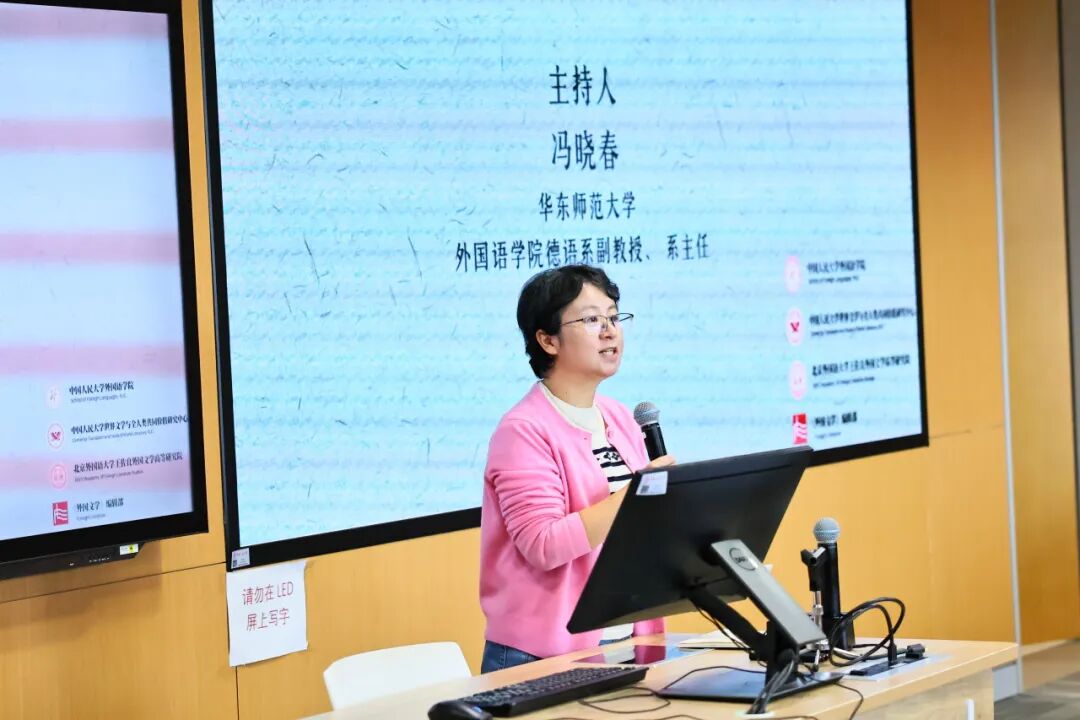
The keynote speech session in the morning was presided by Liu Xuelan, Associate Researcher of Institute of Foreign Literature, Chinese Academy of Social Sciences; Wu Qian, Vice Dean of the School of Foreign Languages of RUC; Feng Xiaochun, Chair of German Department of the School of Foreign Languages of East China Normal University; Li Baojie, Professor of the School of Foreign Languages of Shandong University; Ye Lixian, Senior Associate Editor of Institute of Foreign Literature, Chinese Academy of Social Sciences; Xiu Limei, Associate Professor of English Department of the School of Foreign Languages of Peking University made reviews and summaries. The presentation particularly showcased the cutting-edge achievements and global perspectives in studies on multilingual women’s literature.
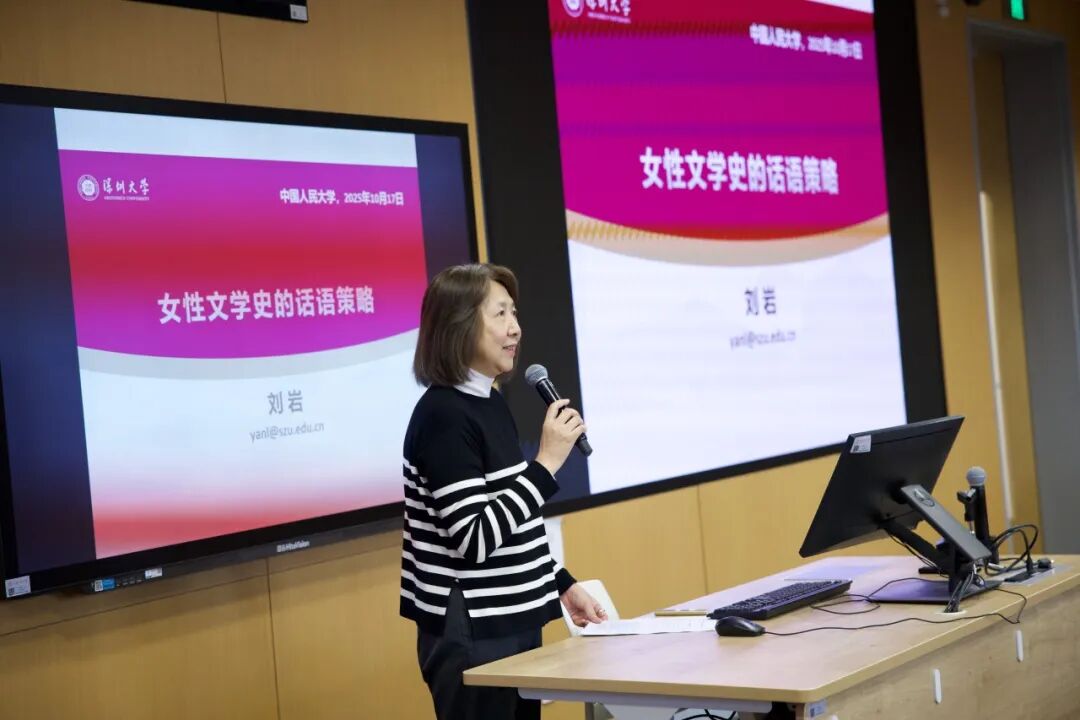
Liu Yan, Professor of Shenzhen University, delivered the presentation on the theme of “narrative strategies of women’s literary history”. She analyzed the unique way of narratives of women’s literary history from the perspectives of linguistic construction and narrative politics, and emphasized the core status in the reshaping of “narrative right” in the literary history construction.
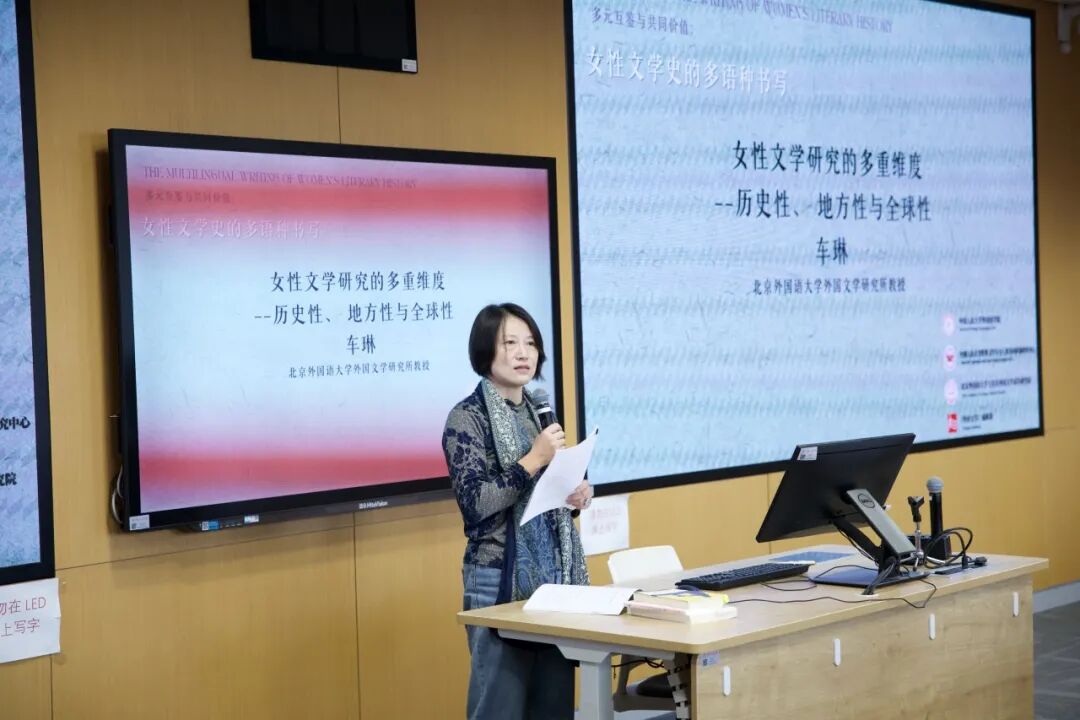
Che Lin, Professor of Beijing Foreign Studies University delivered the report on the topic of “Multi-dimension of Studies in Women’s Literary History—in Historic, Regional and Global Perspectives”. She stated that, studies in women’s literature are supposed to go back to specific historical and regional contexts and resisted the tendency of generalization of unitary narrative in a multi-dimensioned and interweaving way.
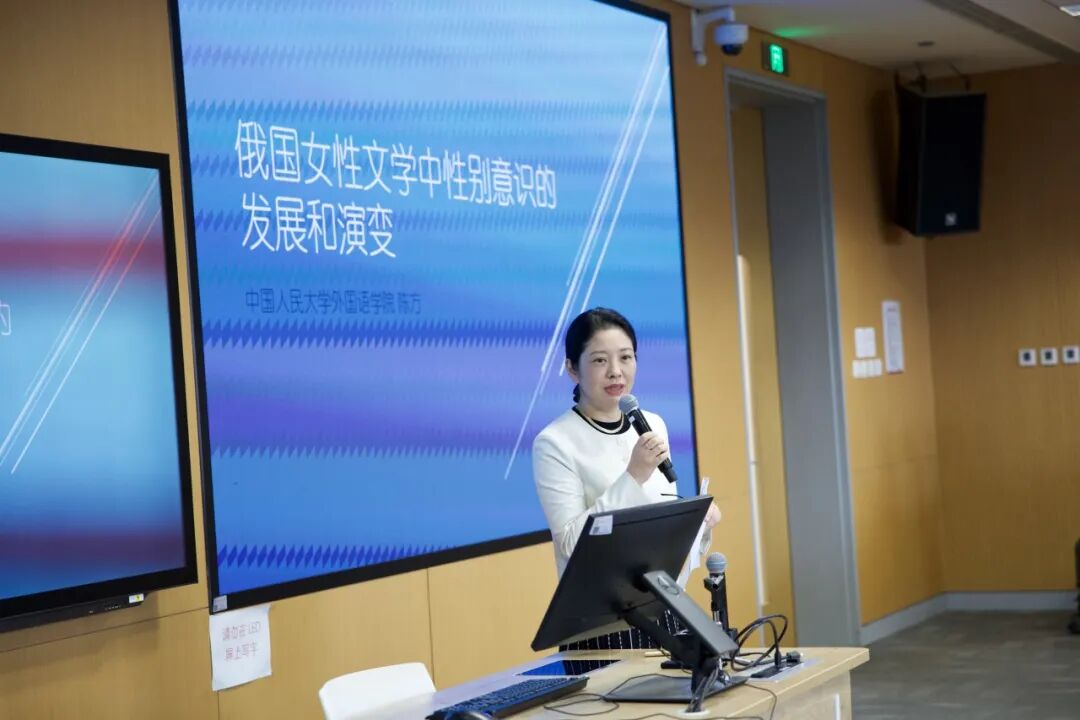
Chen Fang, Professor of the School of Foreign Languages of RUC delivered the speech with the topic “The Development and Evolution of Gender Consciousness in Russian Women’s Literature”. She reviewed the evolution of Russian women's literature over more than two centuries, and sorted out ”the evolution spectrum of female consciousness “ from 19th-century realism to contemporary literature.
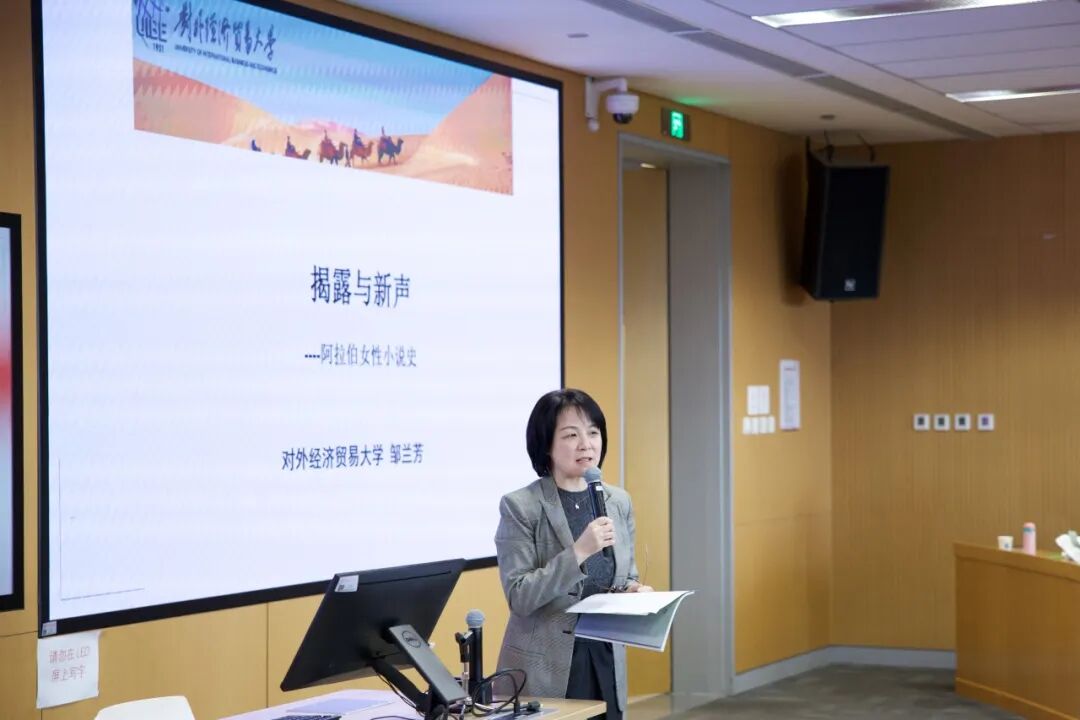
Zou Lanfang, Professor of University of International Business and Economics addressed the report with the topic “Revelation and New Voices—A Hundred of Arabic Women’s Novels”. Starting from the emergence of women's voices in the Arabic literary tradition, she also examined "revelation" and "reconstruction" as the dual impetus in modern women's literature.
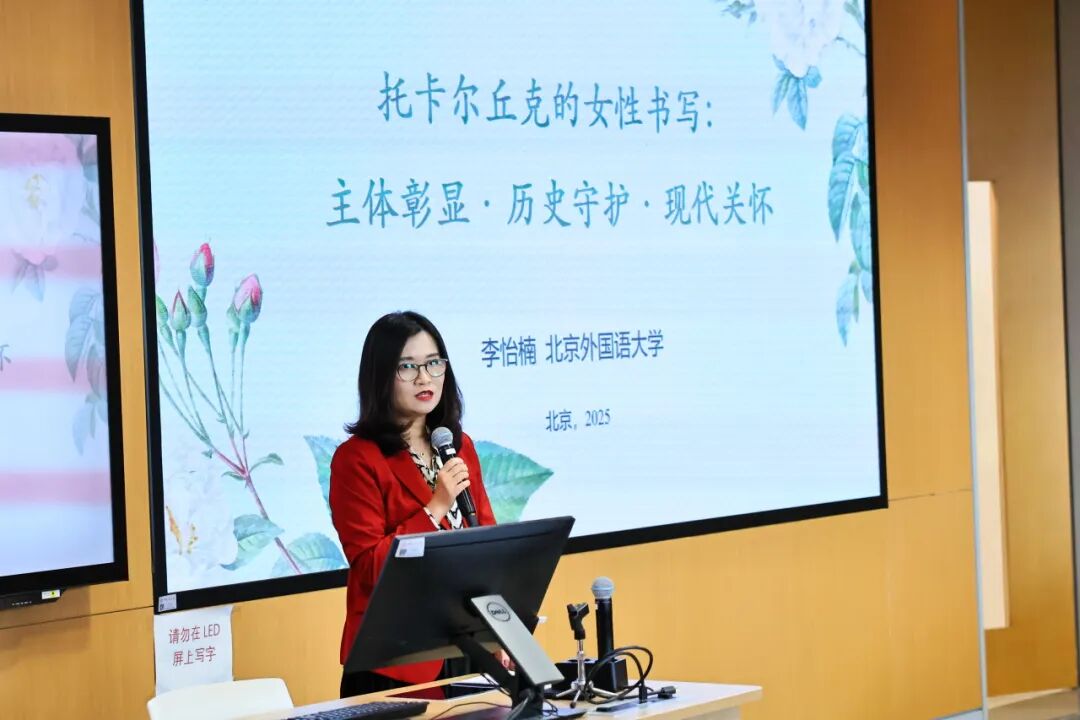
Li Yinan, Associate Professor of Beijing Foreign Studies University, delivered the speech titled “The Triple Female Experience in Tokarczuk's Works: Assertion of Subjectivity, Guardianship of History, and Modern Concern”. Integrating Polish literary studies with gender theory, she illuminated the intertwining of female subjectivity and ecological narratives in Tokarczuk's works.
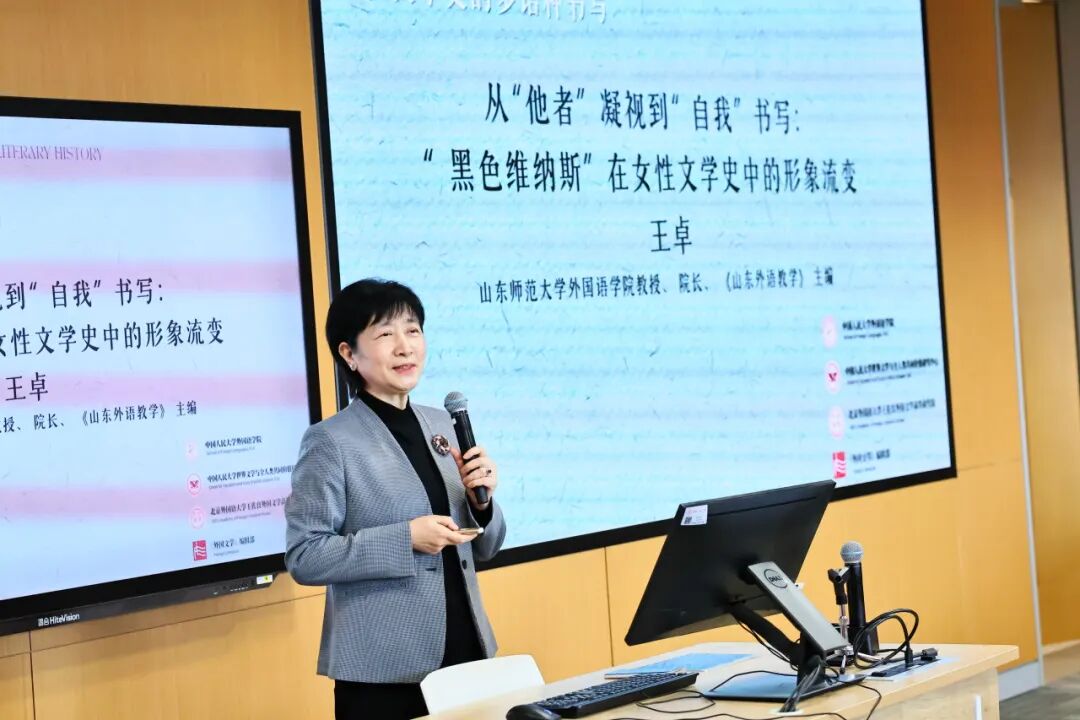
Wang Zhuo, Professor of Shandong Normal University addressed the speech titled “From the Gaze of 'the Other' to the Writing of 'the Self': The Evolution of the 'Black Venus' Image in Women's Literary History”. She analyzed the evolving images in the intersection of race and gender in literary history.
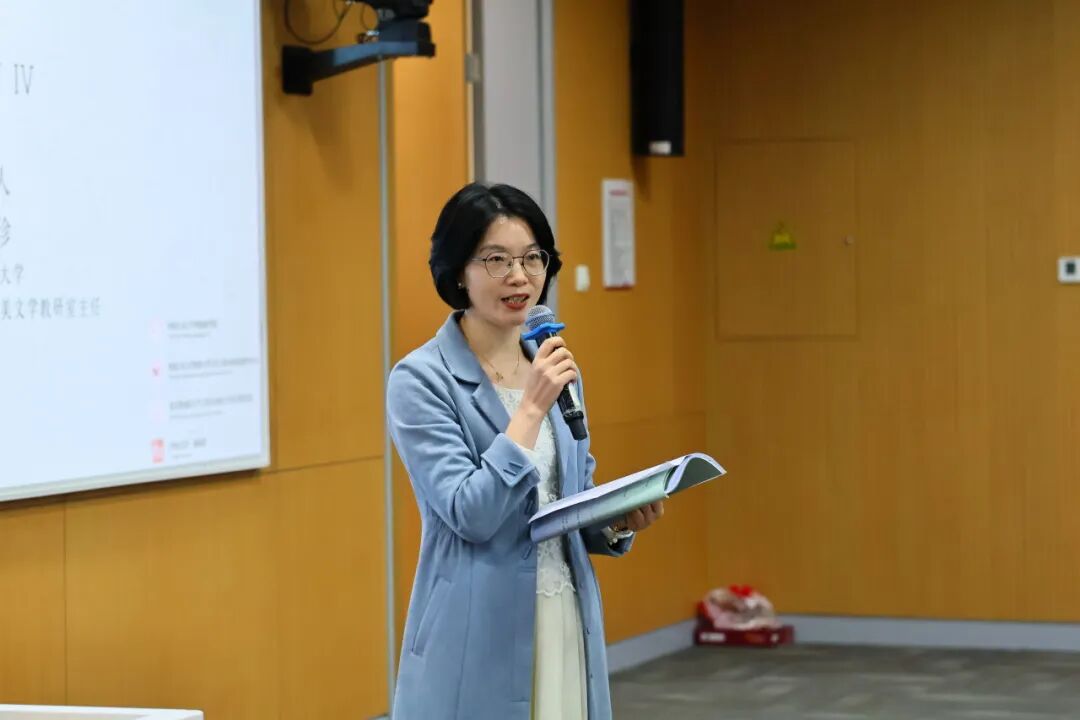
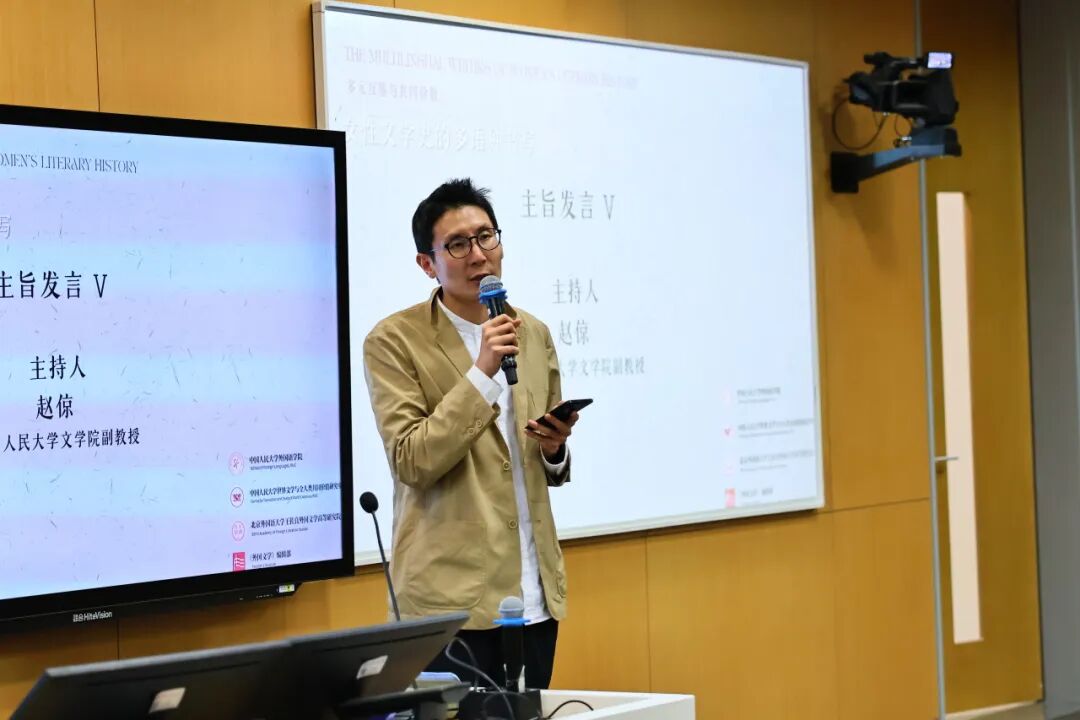
The keynote speech session in the afternoon was presided by Zhang Guizhen, Associate Professor of the School of Foreign Languages of Fujian Normal University; Zhao Jing, Associate Professor of the School of Literature of RUC; Li Feng, Professor of the School of Foreign Languages of Ocean University of China; Chen QI, Associate Professor of Institute for Advanced Studies in Humanities and Social Science of Beihang University made reviews and summaries. The content of the speech continued the theme discussed in the morning and further expanded the narrative space and cultural connotation of women's literature in the global context.
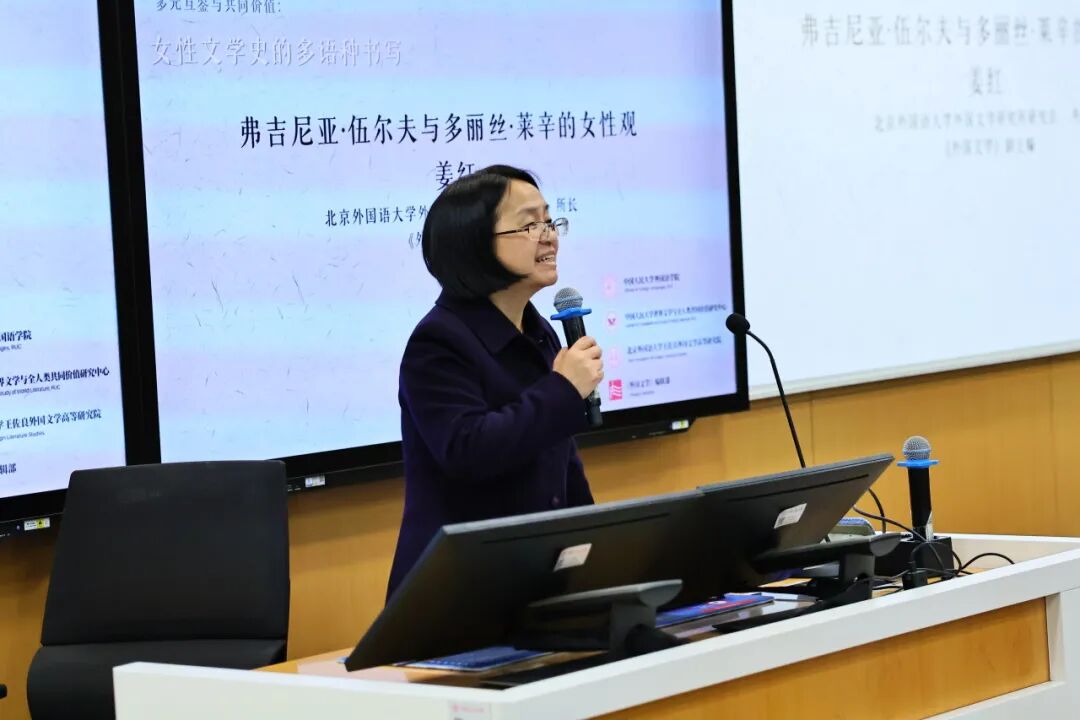
Jiang Hong, Director of Research Institute of Foreign Literature of Beijing Foreign Studies University and Associate Editor of Editorial Department of Foreign Literature, made a report on “The Feminine Values of Virginia Woolf and Doris Lessing”. From the perspectives of gender consciousness, narrative strategies, and intellectual legacy, she conducted an in-depth examination of the spiritual continuity in female self-identity and modern literary innovation between two British writers.
Zhang Li, Vice Dean of the School of International Studies of Zhengzhou University, addressed a speech titled “The Illusion of Freedom in the Jazz Age: The Image of the 'Flapper' in Fitzgerald's Works”. She analyzed the cultural tension between freedom and disillusionment embodied by the "flapper" figure from the intersecting perspectives of modern urban culture and gender representation.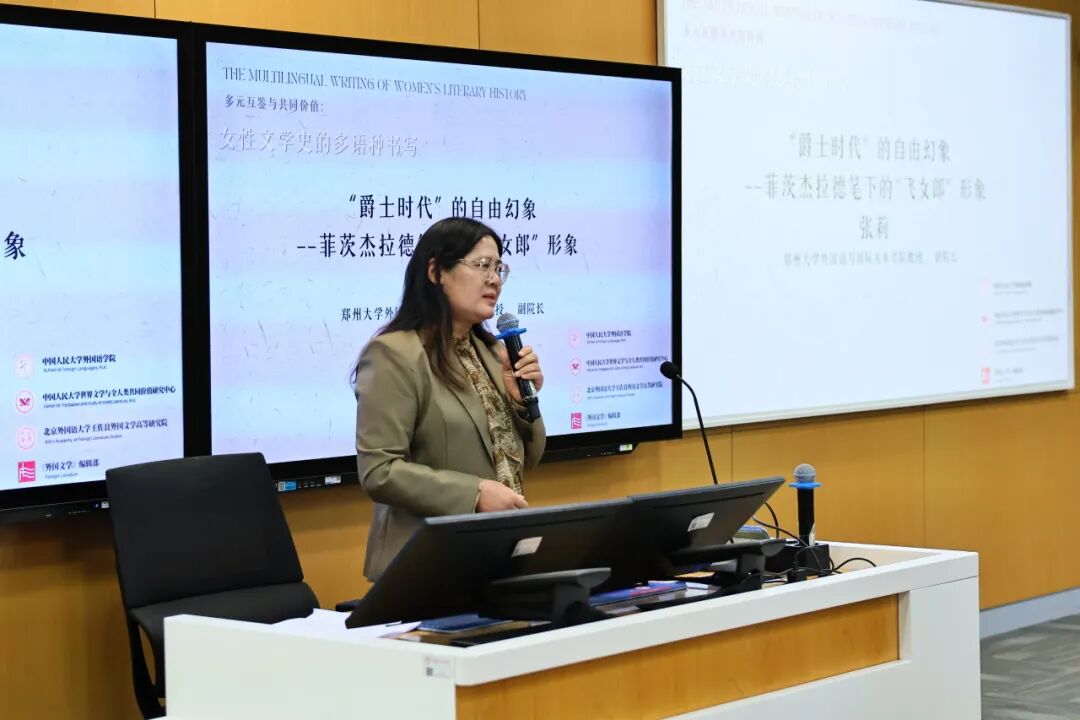
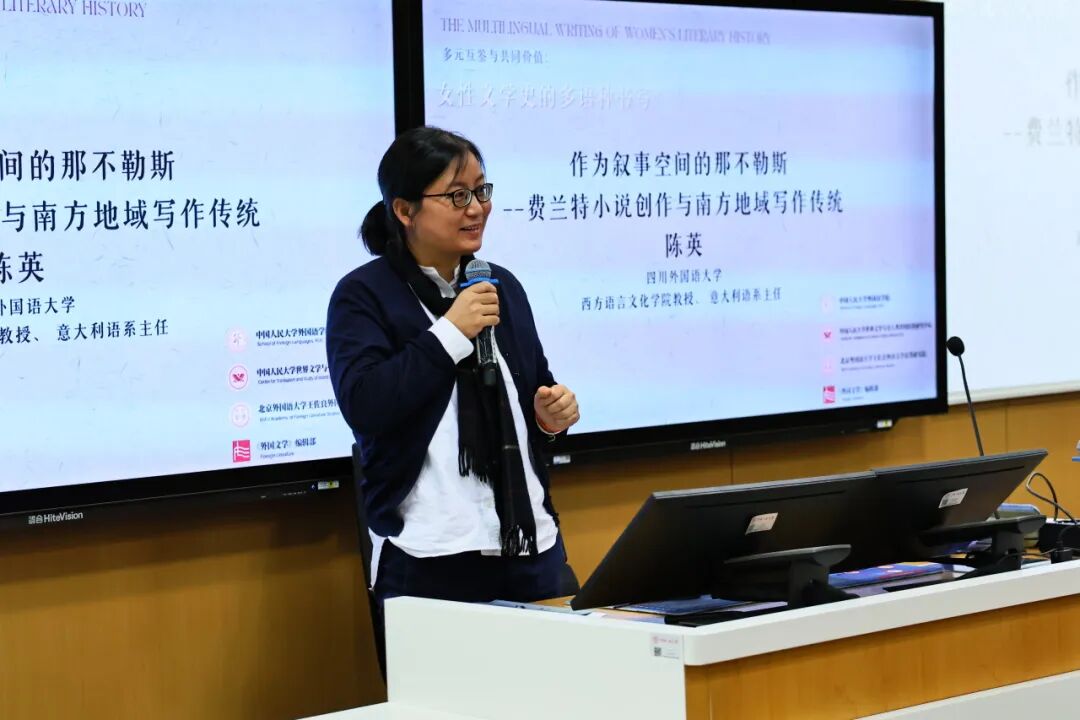
Chen Ying, Professor of College of Western Languages and Cultures of Sichuan International Studies University, made a report on “Naples as Narrative Space: Ferrante's Fiction and the Southern Italian Literary Tradition”. She explored the intrinsic connection between regional narrative and female identity construction combining with contemporary Italian literature and feminist criticism.
The parallel session featured presentations from over 70 scholars, experts, professors, and postgraduate representatives from universities and research institutions across the country. Participants engaged in in-depth discussions on topics including literary historiography, cross-cultural interpretation, the construction of gender discourse, and narratives of female experience.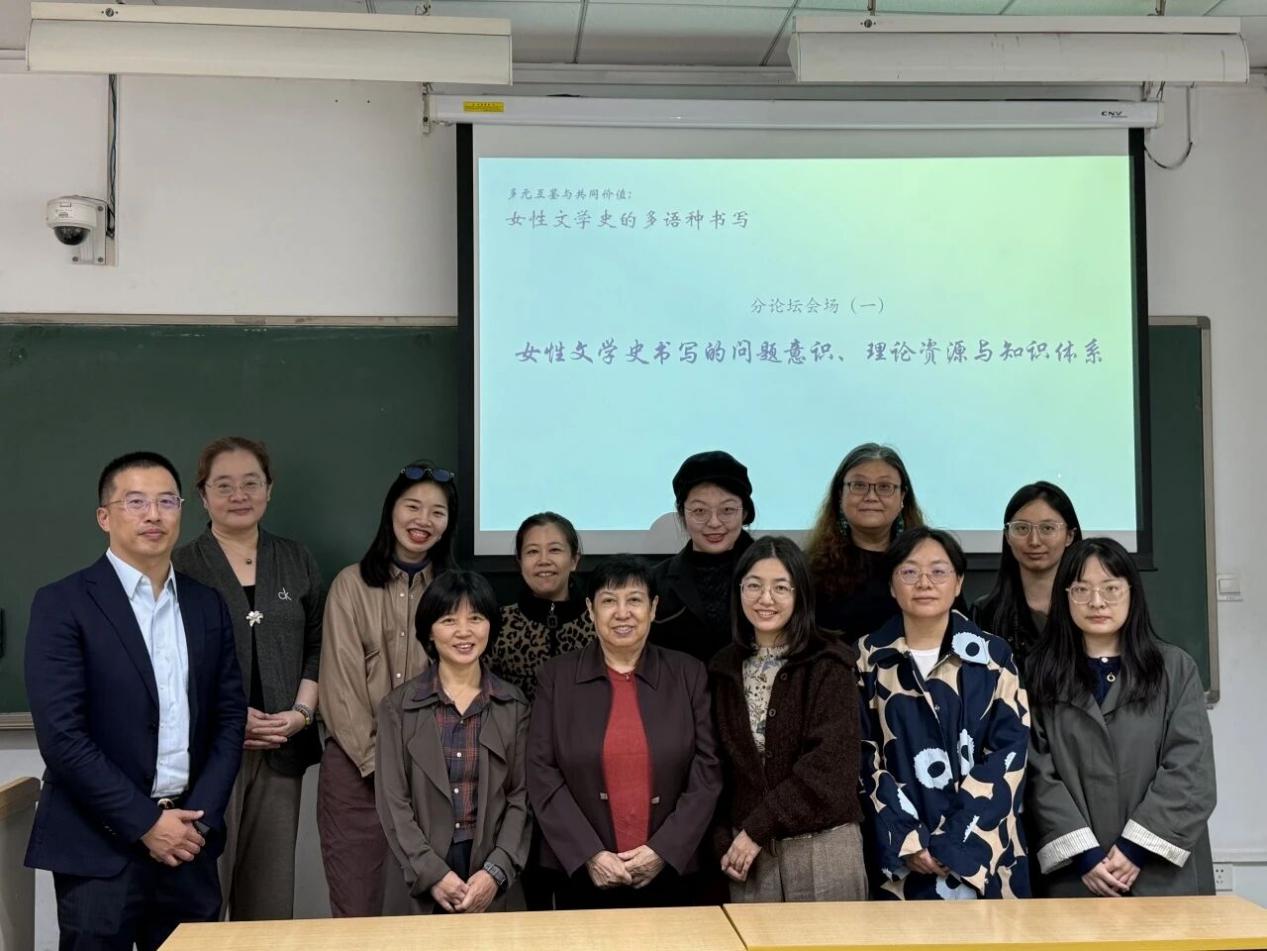
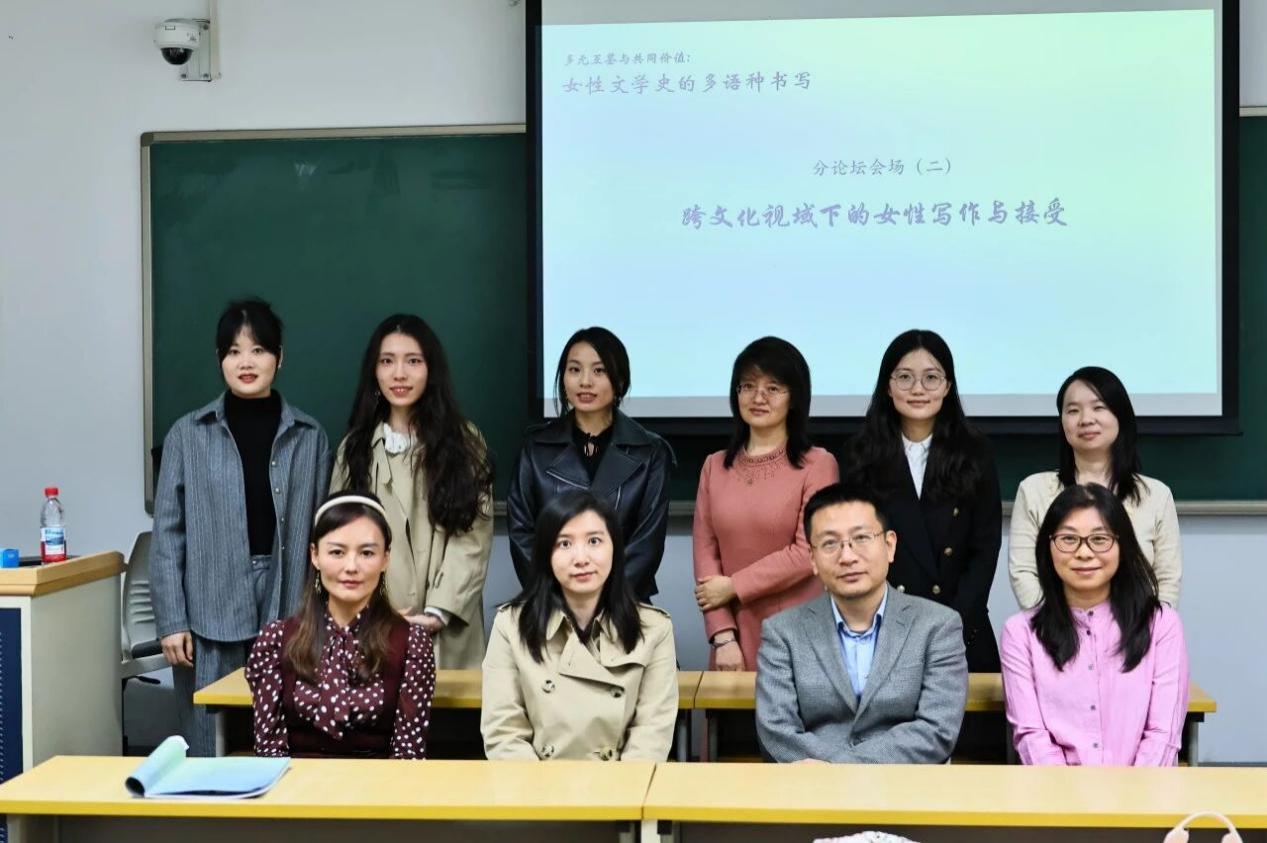
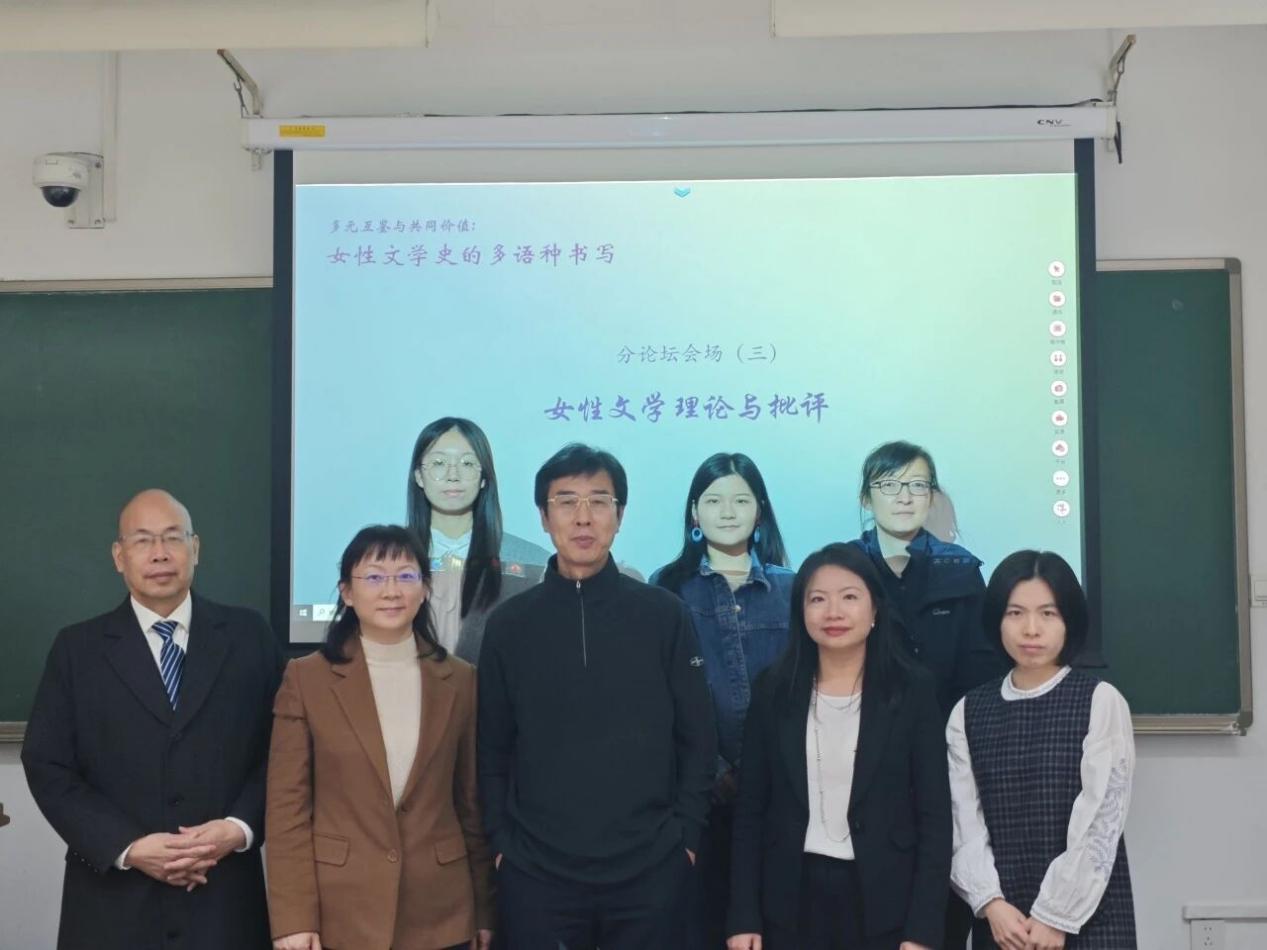
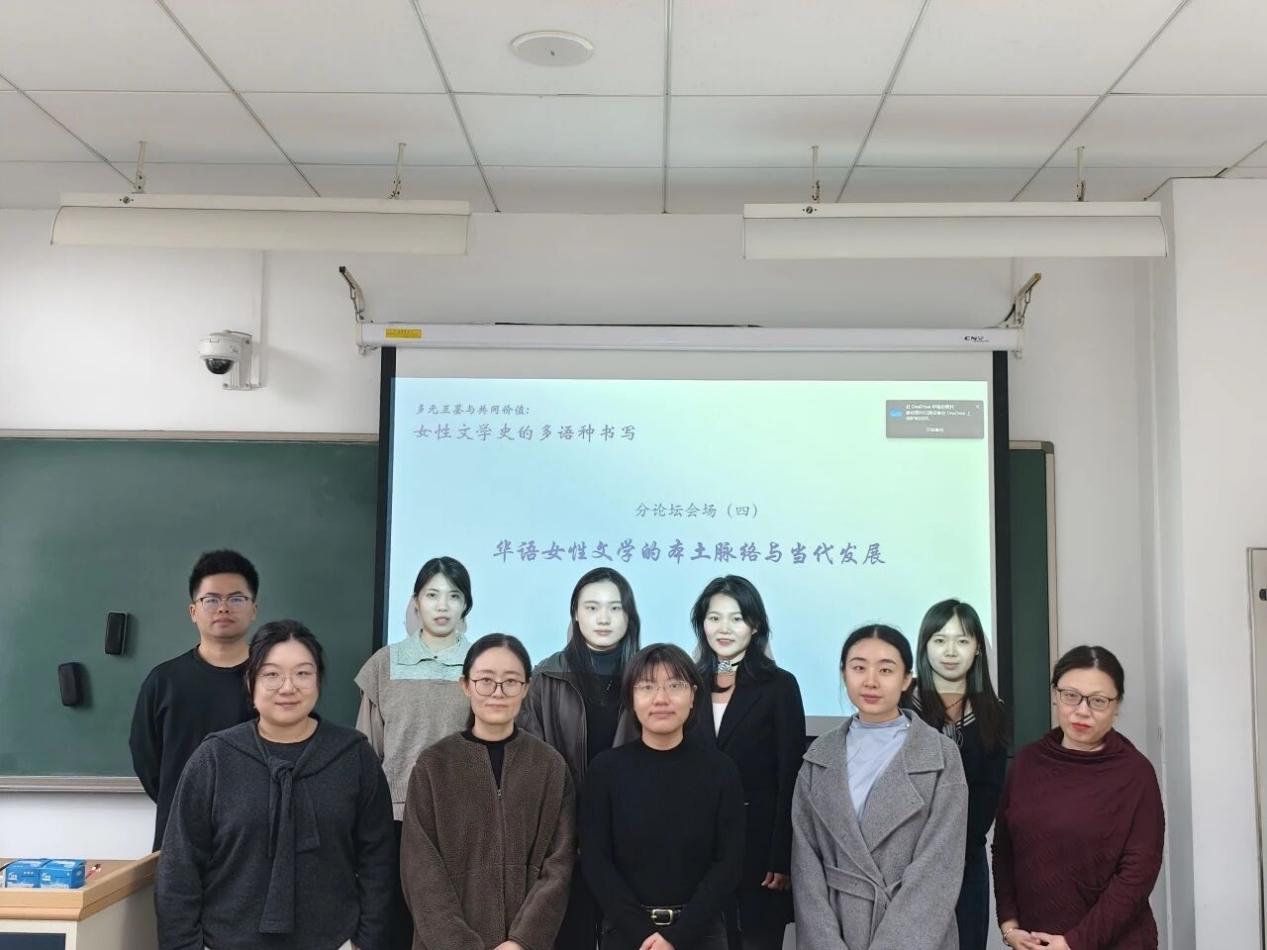
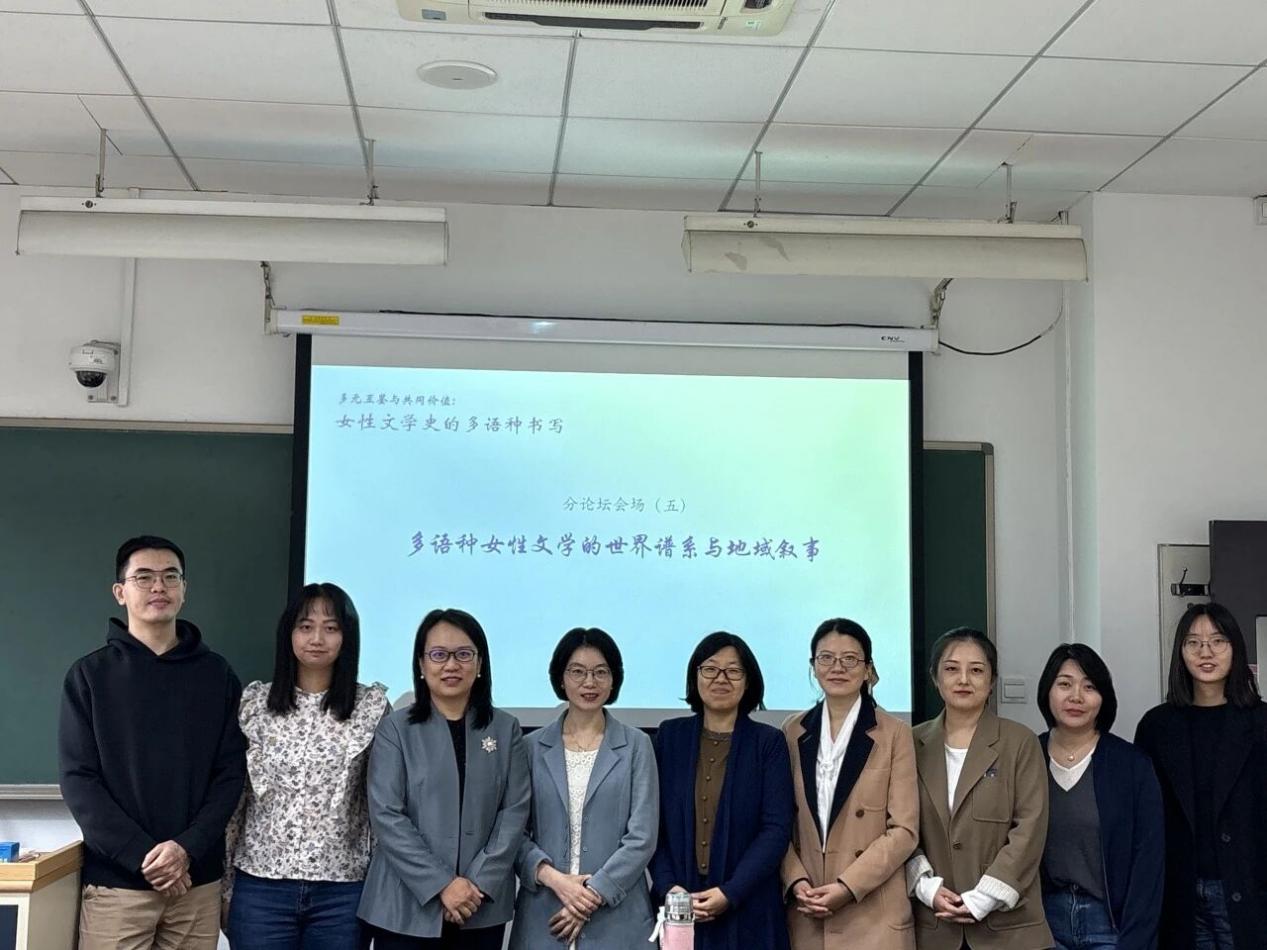
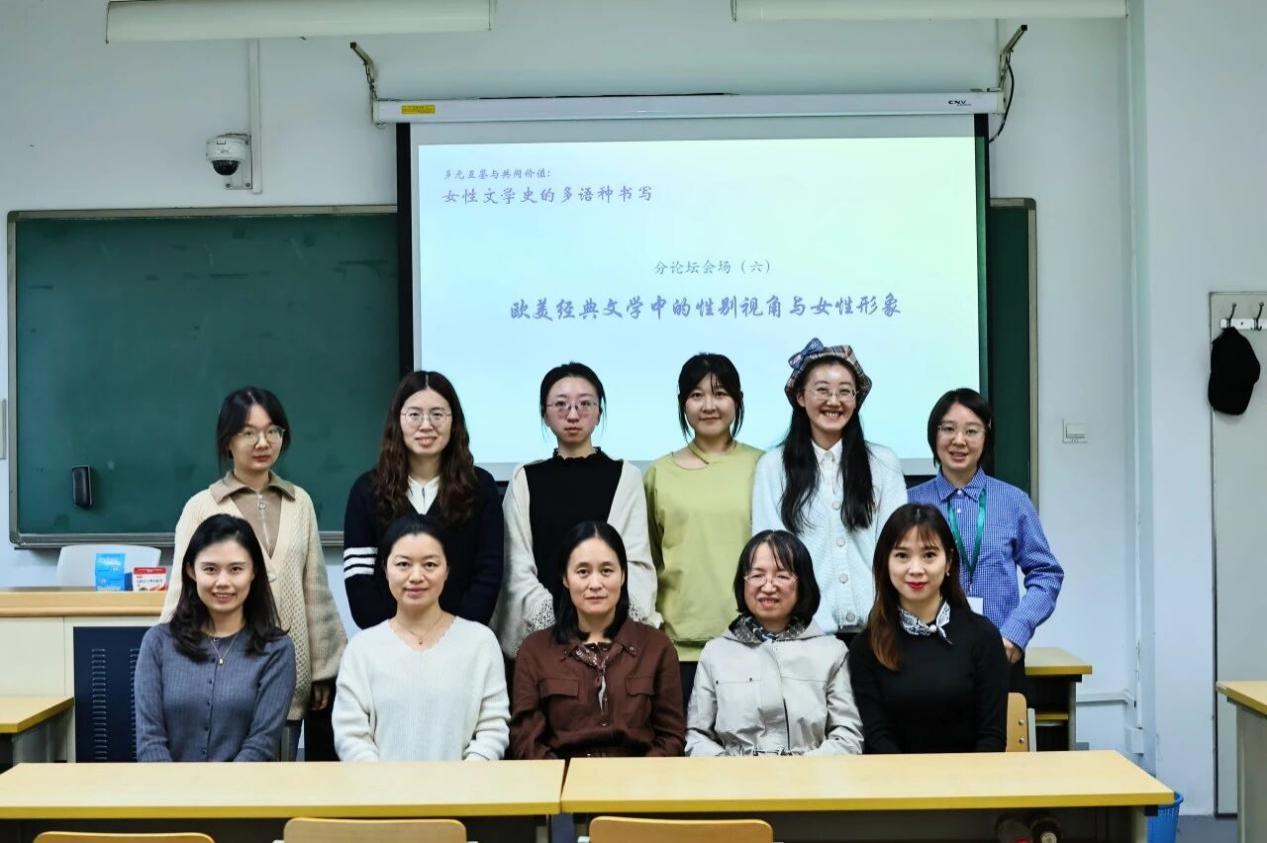
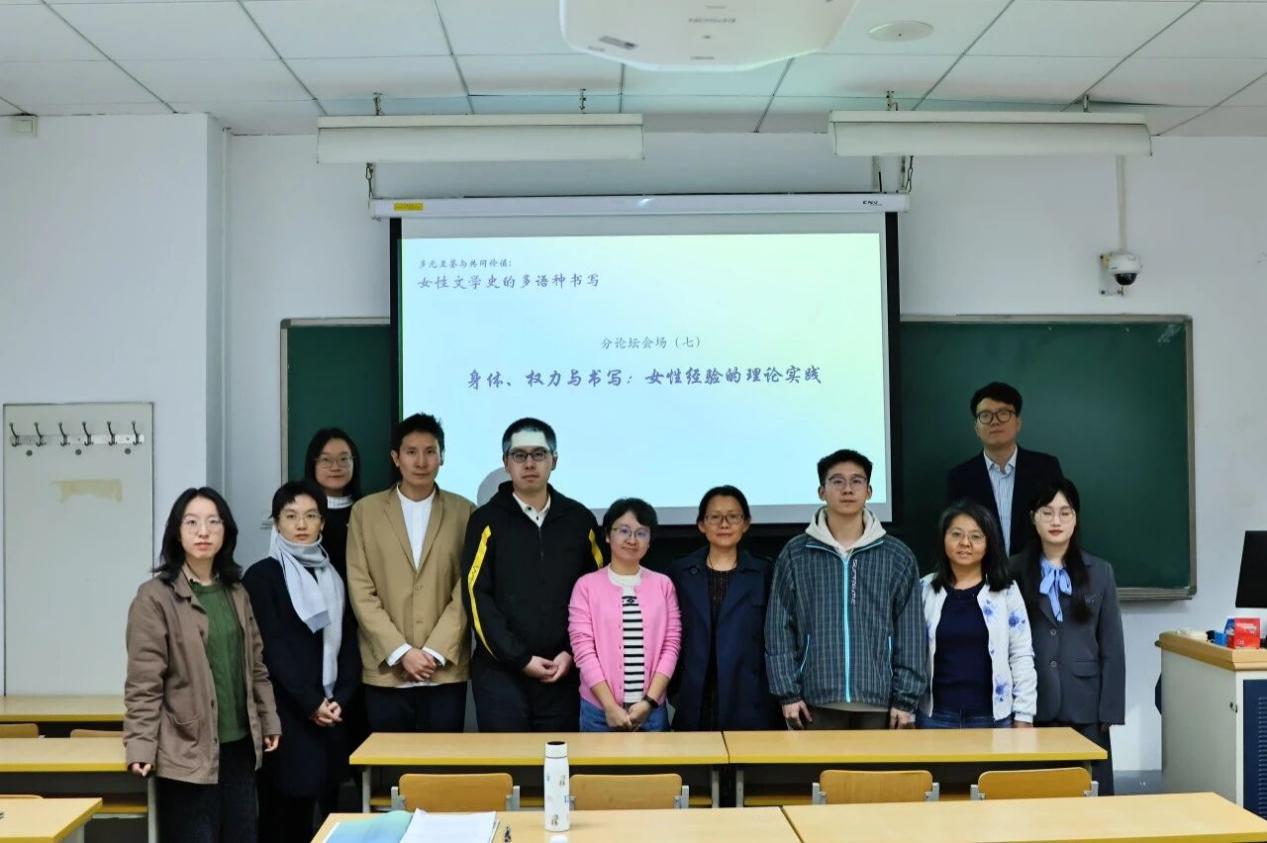
The parallel sessions featured reports with diverse themes and broad theoretical perspectives. It addressed both women's narratives of multilingual literary traditions—including European, American, Russian, Arabic, and East Asian—and the locality and global transmission of Chinese-language women's literature. Scholars generally agree that, the "multilingual narratives" of women's literary history not only reflects linguistic and cultural diversity but also represents a process of mutual learning among cultures, mutual theoretical reference, and shared values building, which signalizes that contemporary women's literary studies are entering a new phase of globalization and cross-civilizational dialogue.
Zhou Ming presided over the closing ceremony and delivered concluding speech. He stressed that, centered on the core theme of "Diversity, Mutual Learning, and Shared Values", this conference had fully demonstrated the theoretical innovation and academic confidence of Chinese scholars in the field of women's literary history studies. The success of the conference has not only fostered disciplinary integration in multilingual women's literary studies but also provided significant insights for advancing a Chinese approach to world literature studies. Zhou Ming noted that, in the future, the Center for Translation and Study of World Literature of RUC
will continue to expand international academic exchanges, build platforms for cross-linguistic and cross-civilizational dialogue, and strive to make new contributions to the literary interpretation of the concept of a community with a shared future for mankind.

The successful holding of this conference marked a new progress in the study of Chinese women's literature in the world literary landscape. Rooted in the national academic traditions, this conference made an in-depth discussion on the correlation of "Gender, Literature, and Shared Values" in a global context. It has provided productive exploration and practice to construct a narrative system of world literature with Chinese characteristics, and thereby promoted international humanities exchange and mutual learning among civilizations.
Written by: Zhao Shuang
Photographs: Zhou Ling
Edited by: Xue Qiuyu